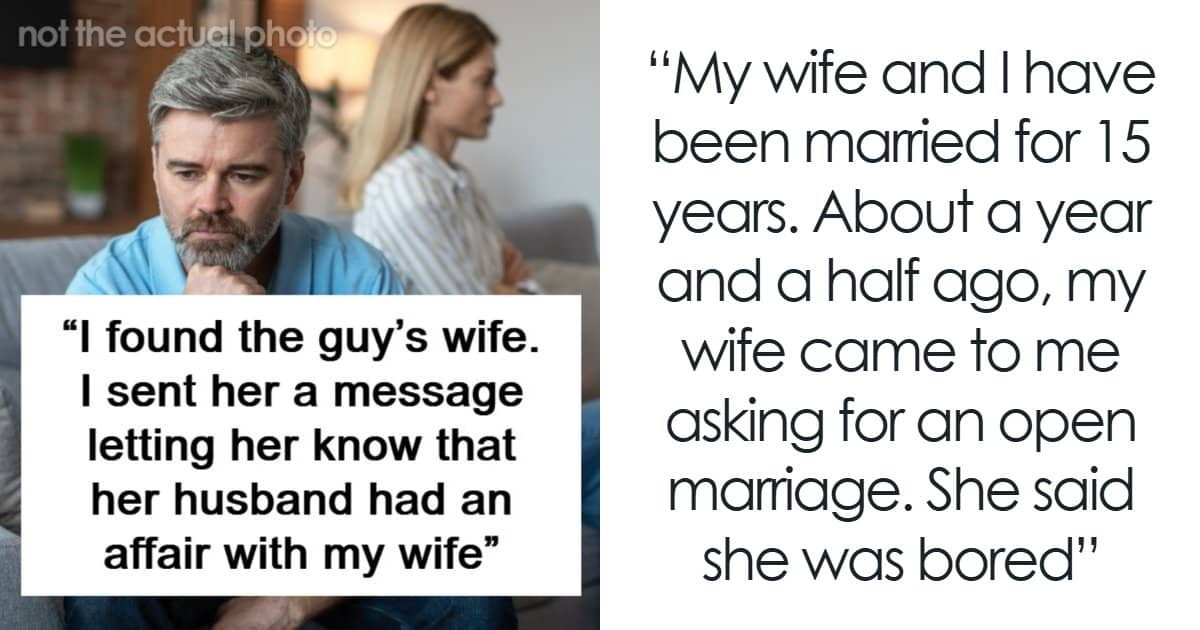
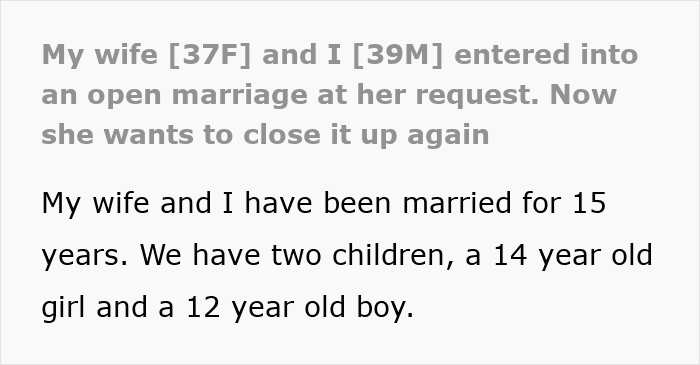
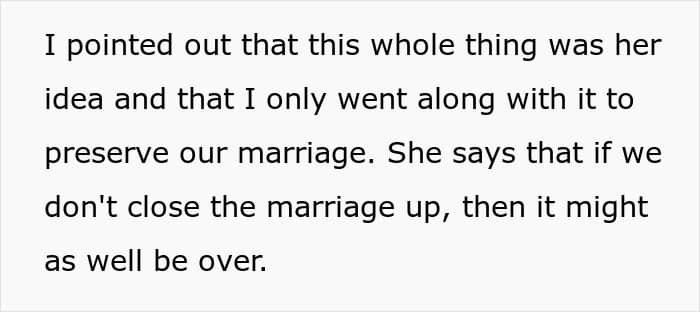
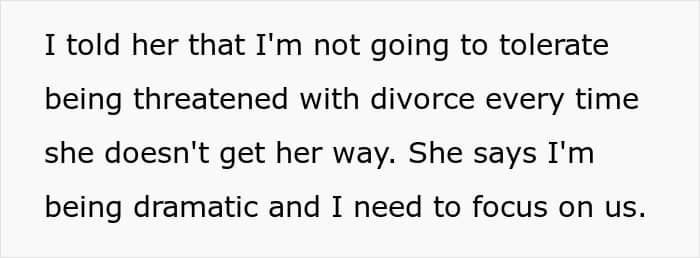
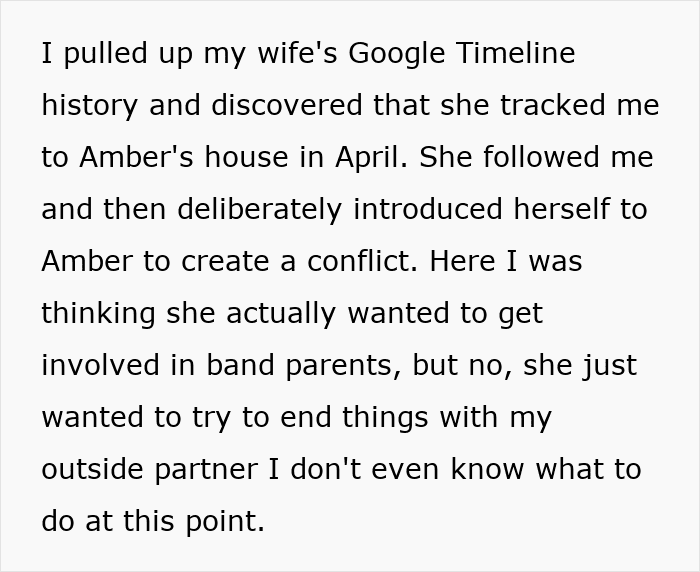
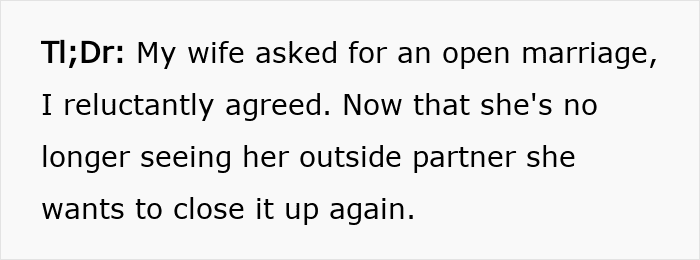
Every marriage has its ups and downs, but some rough patches hit like a full-on rollercoaster and leave people genuinely rattled. This Redditor learned that the hard way when his wife gave him an ultimatum: open the marriage or get a divorce. Not wanting to lose her, he agreed—reluctantly at first.
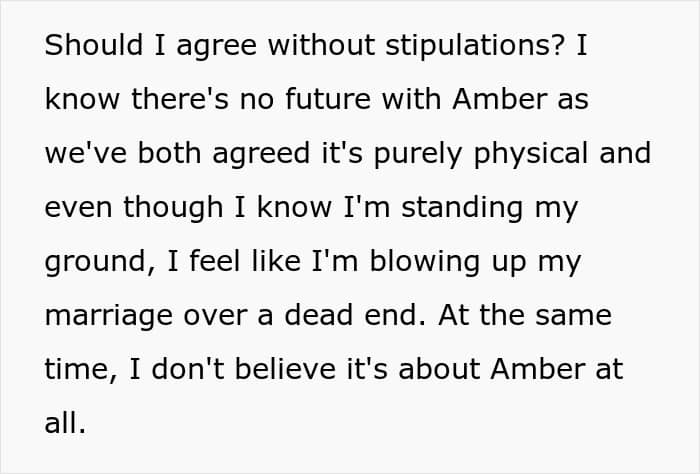
But once he started settling into the arrangement and even met someone new, his wife suddenly couldn’t handle it and demanded they close the relationship again. That sparked a whole new conflict, and it didn’t stop there. Before long, it became clear it was only the tip of the iceberg, with much more going on underneath the surface. Read the full story below.
RELATED:The woman gave her husband an ultimatum: open their marriage, or it’s over
He went along with it to keep the peace, but once he met someone new, she insisted they shut it down
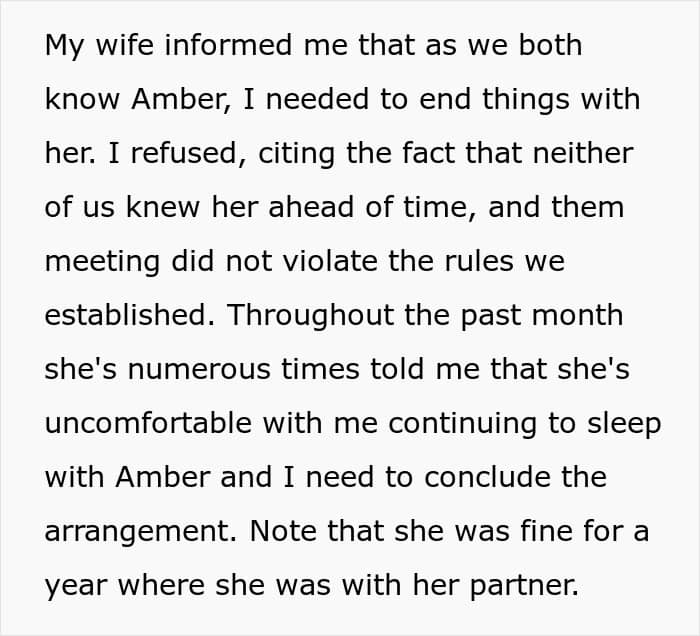
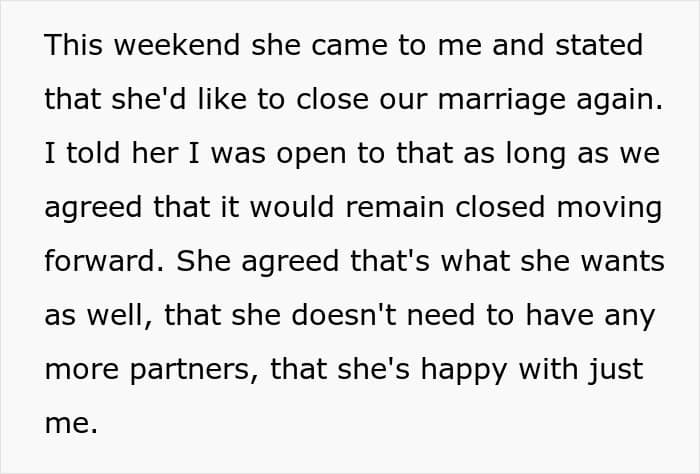
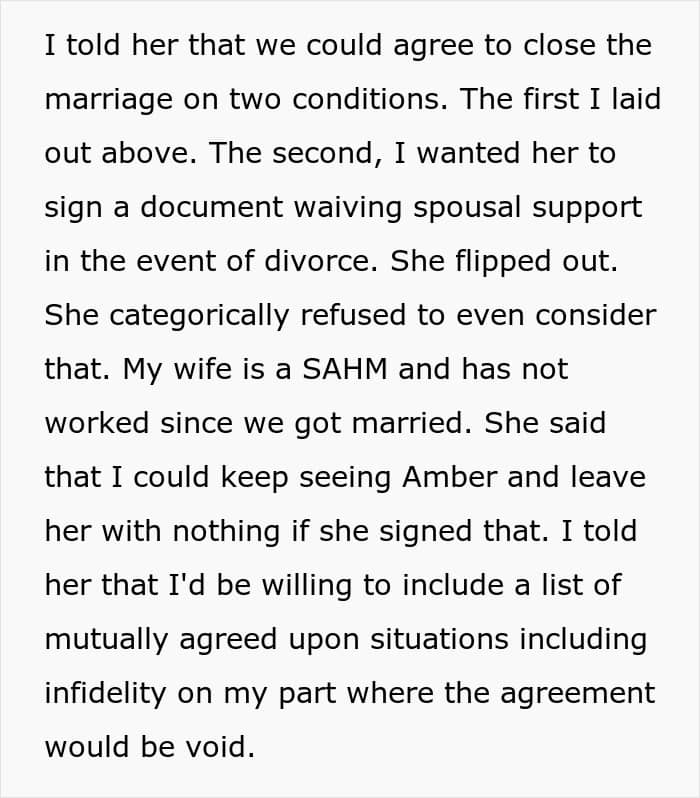
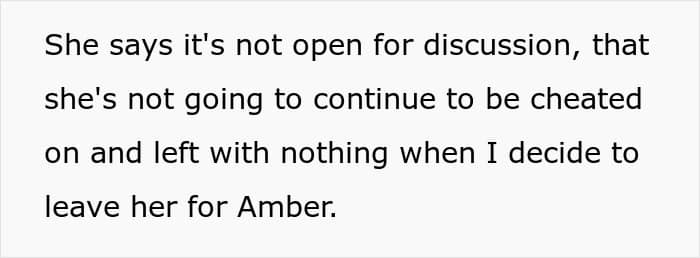
Do open relationships work?
In the most classic sense, people usually picture marriage as choosing one person and building a life around that commitment. That’s the romantic idea, separate from the paperwork and practical perks like tax benefits. At the same time, modern relationships don’t always follow the same blueprint, and some couples genuinely want room for outside connections.
Whether people like that idea is one question. Whether it can actually function is another. And the story above is a pretty clear example of how it can go off the rails when the “agreement” is held together by pressure and unresolved resentment. But is every open setup doomed to turn into a mess?
The honest answer is: it depends, and the details matter a lot.
A research team at the University of Rochester that studies couples has argued that open relationships can work, but only under specific conditions. Their takeaway is simple: the more open and steady the communication is, the better the odds. In their view, the biggest threat isn’t outside physical encounters by themselves. It’s when things slide into secrecy, people stop being honest, and one partner starts feeling sidelined or replaced.
What’s useful about their work is that they didn’t treat all nonmonogamous relationships as the same. They analyzed 1,658 online questionnaires and separated people into different relationship “types,” including fully agreed-upon open relationships, partly open arrangements where the rules felt fuzzy, and situations where one person wanted exclusivity while the other quietly went outside the relationship.
The pattern was pretty consistent: couples who were genuinely on the same page, and who felt secure about what was happening, reported similar levels of relationship wellbeing to monogamous couples. The more one-sided and unclear the setup was, the worse people tended to feel. In the most lopsided group, a large share reported being unhappy with the relationship.
That lines up with what therapist John Kim, LMFT, wrote for Psychology Today. His argument is that an open relationship demands a very specific kind of emotional “capacity.”
It’s not enough to tolerate it. He says both people have to truly want it, and to be able to handle their partner being with someone else without turning it into a scoreboard or a punishment. He also points out something many couples don’t want to hear: if the relationship already has cracks, opening it usually widens them. It becomes a convenient escape from the hard conversations that needed to happen first.
Kim also warns about the part people love to dismiss as “won’t happen to us”: feelings. Even when the plan is “purely physical,” intimacy can blur many lines, and someone can end up emotionally invested. His advice is to be brutally honest about what you can handle, agree on rules that feel realistic, and revisit them before problems turn into lying.
Put those two sources together, and the picture is pretty clear. Open relationships can work when both partners freely choose it and treat the rules as a shared promise. When it starts with an ultimatum, turns into spying, or relies on selective honesty, it tends to rot the trust from the inside. And once trust goes, the format of the relationship is almost beside the point.

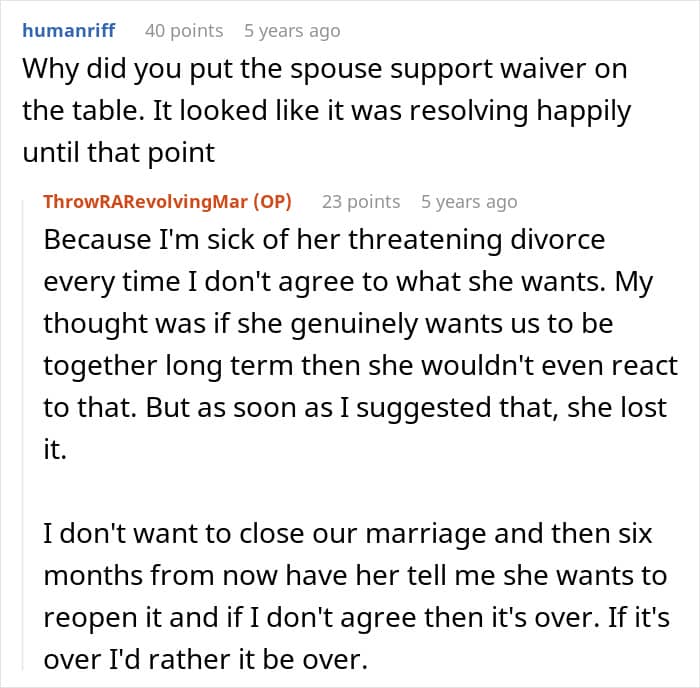
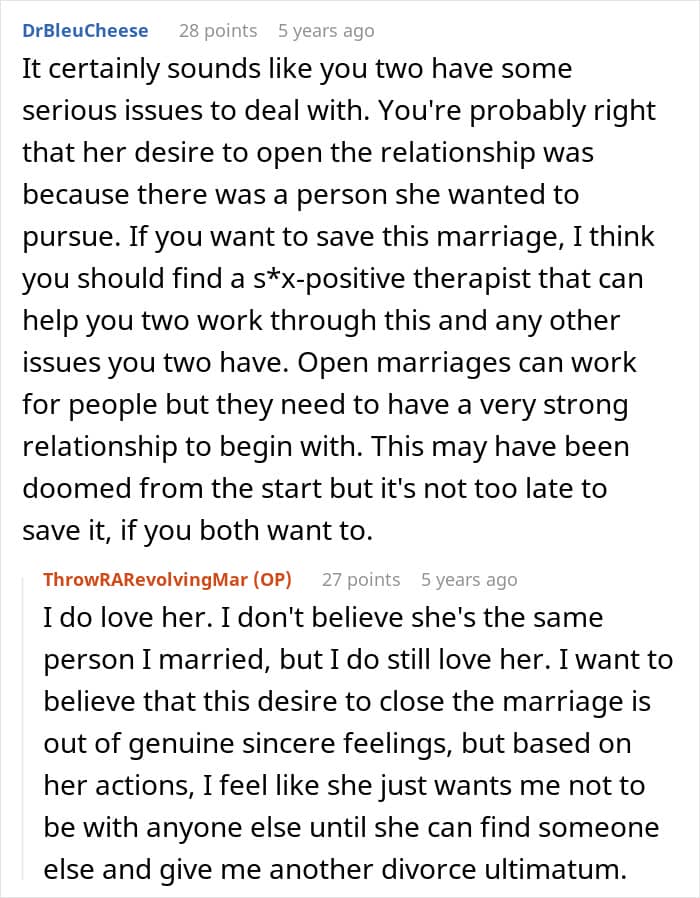
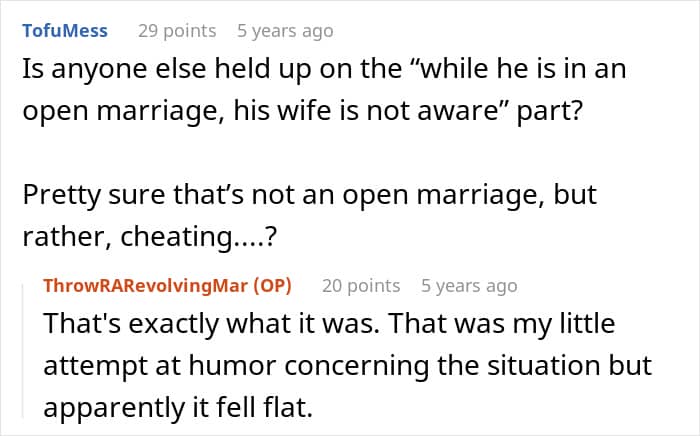
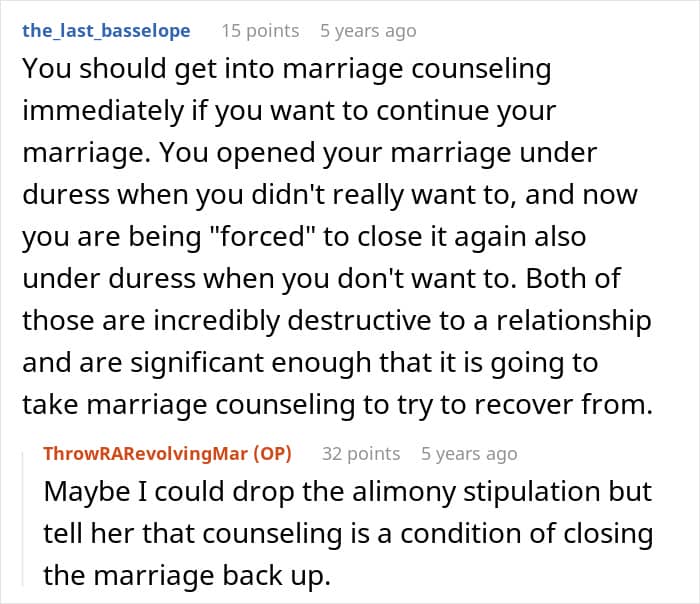
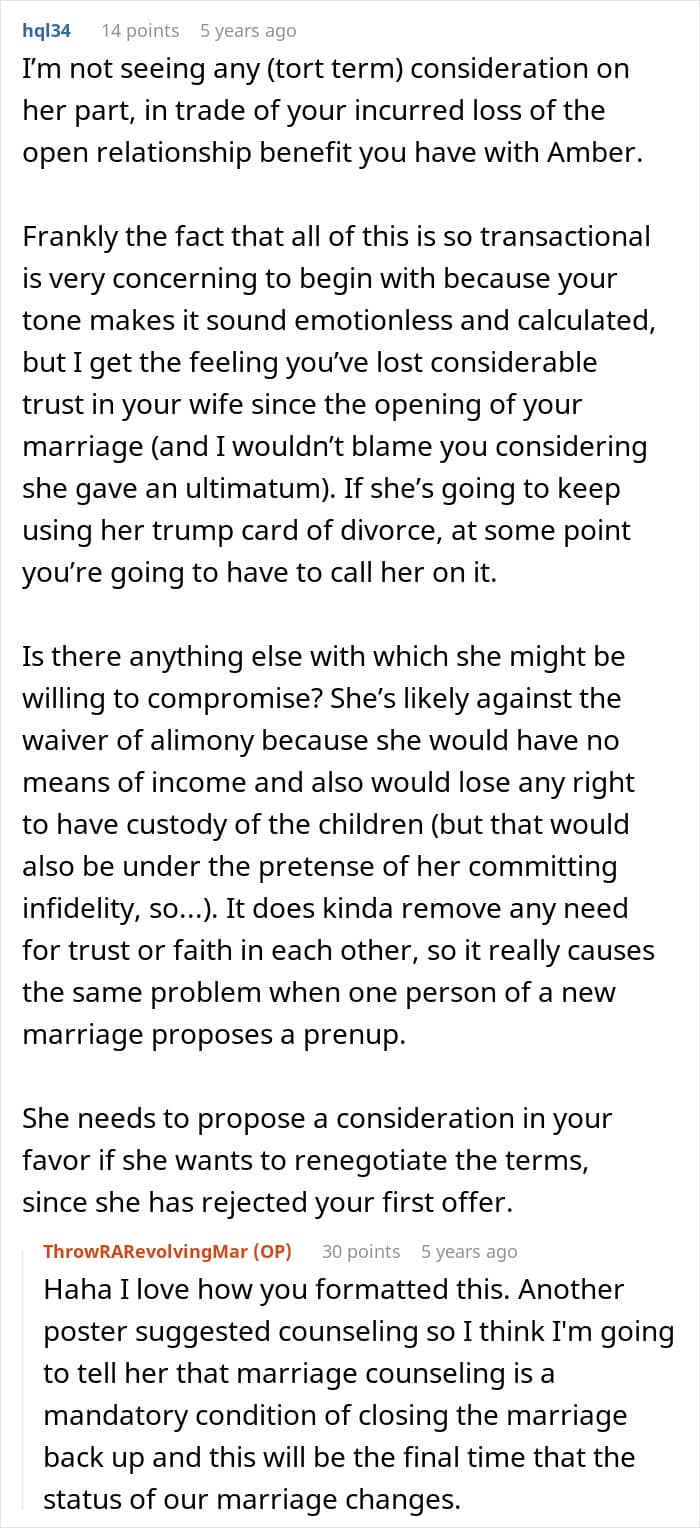
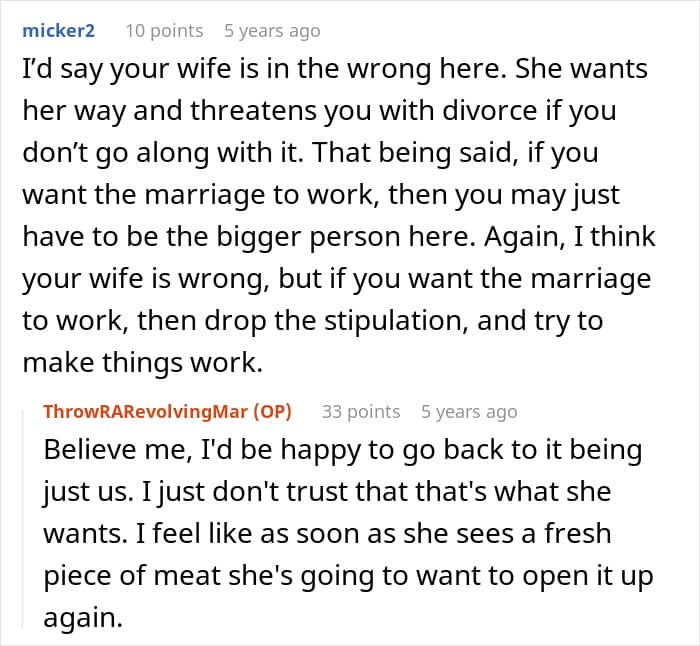
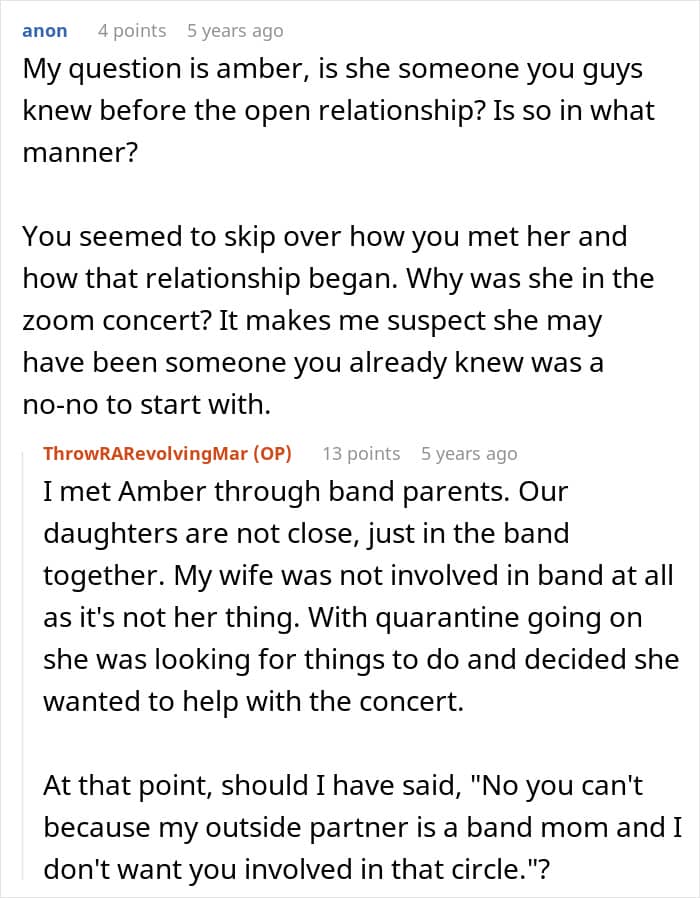
The author shared more details in the comments
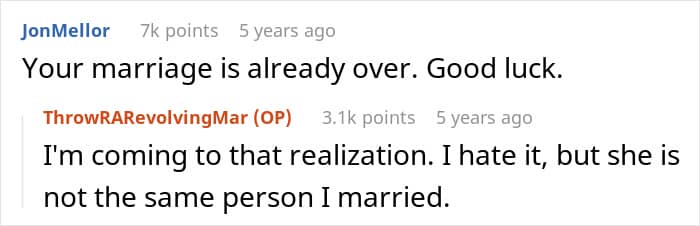
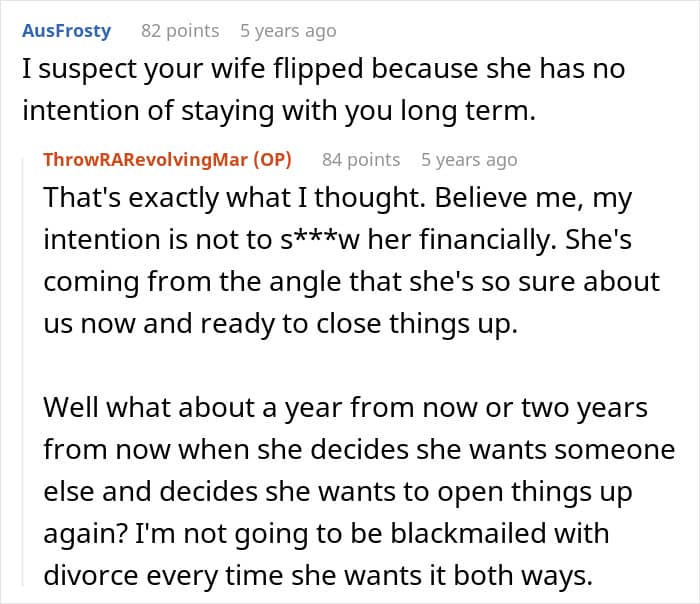
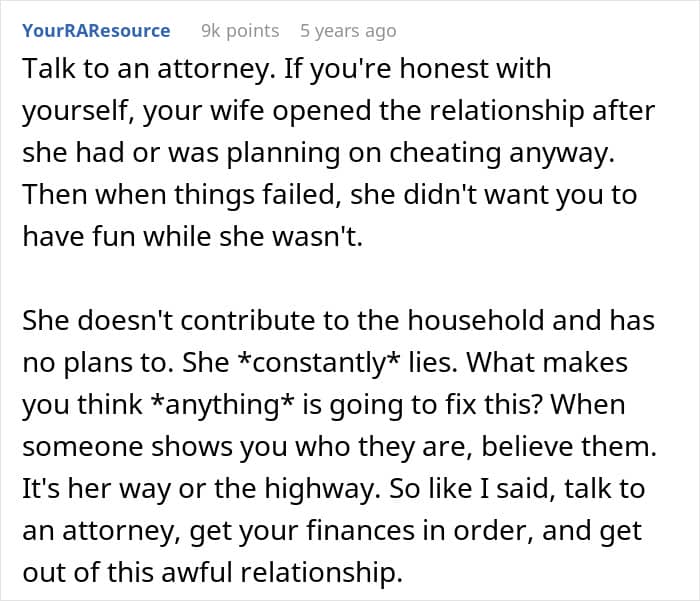
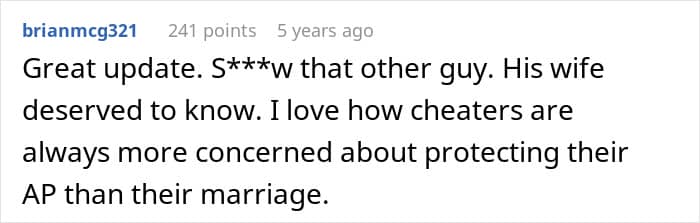
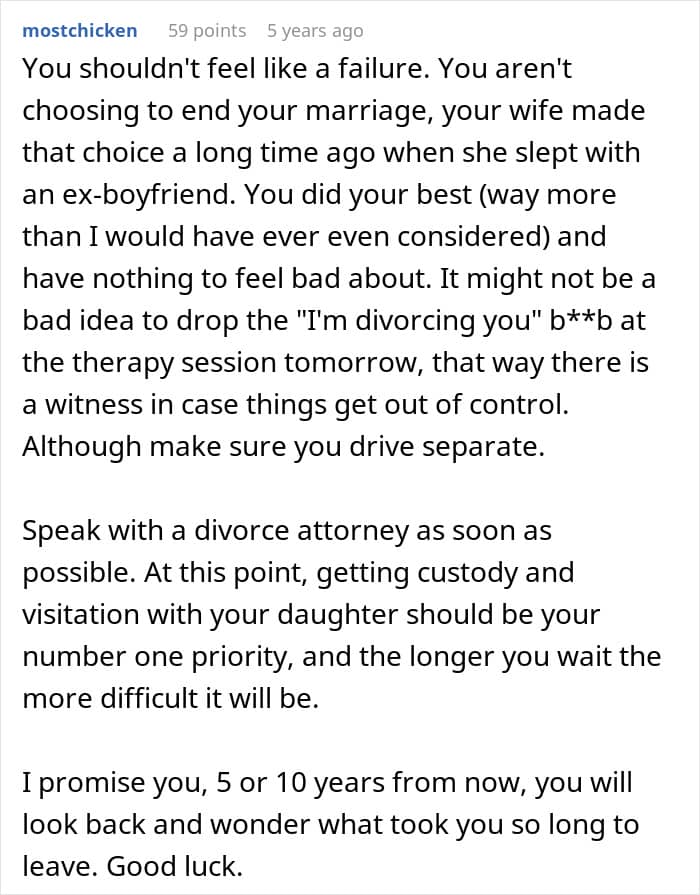
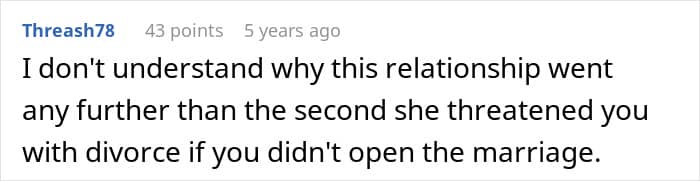
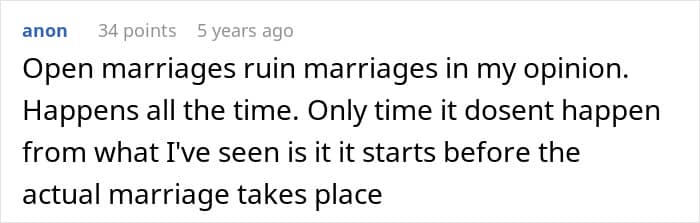
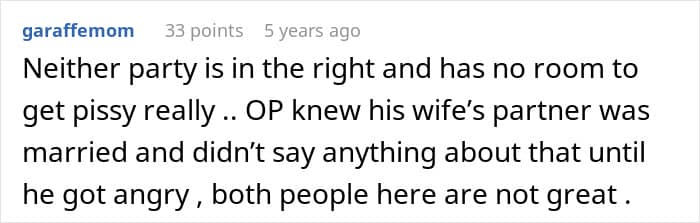
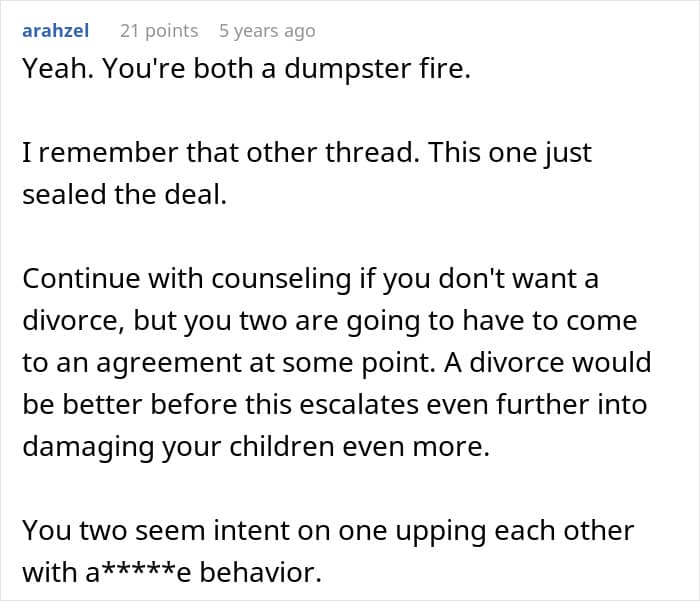
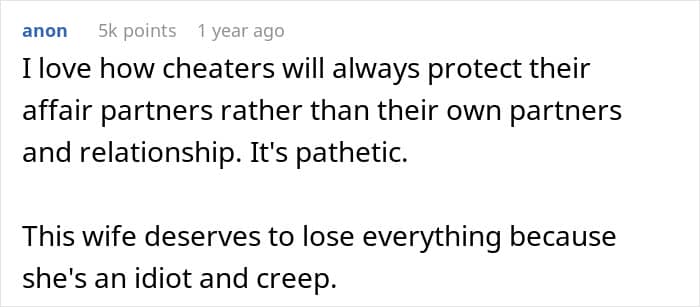
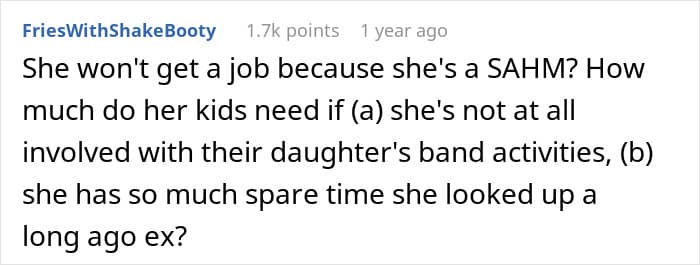
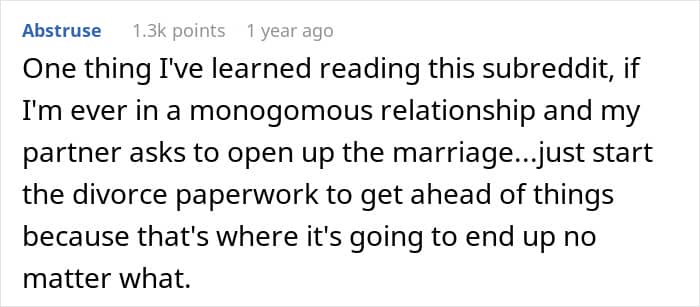
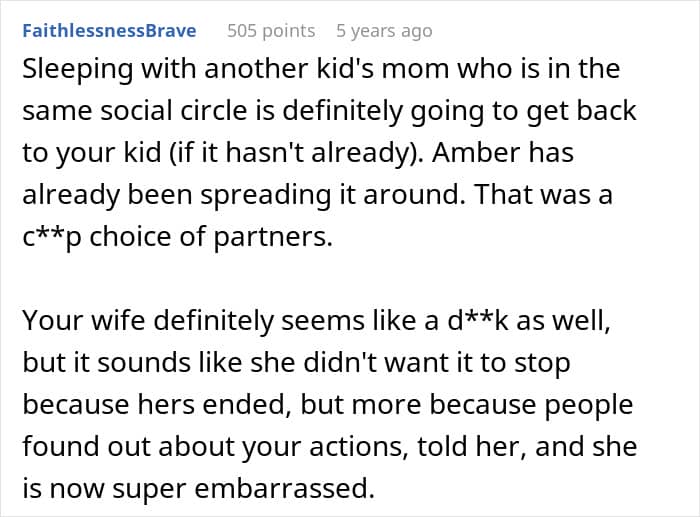
Readers agreed the situation was messy

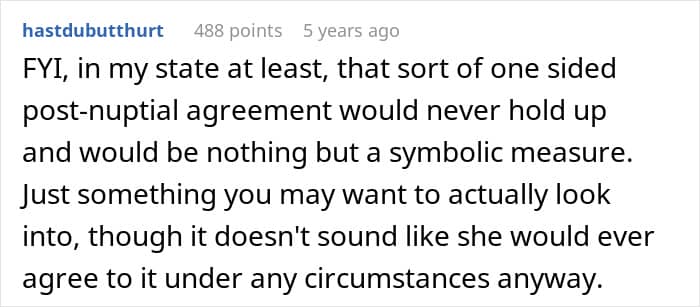

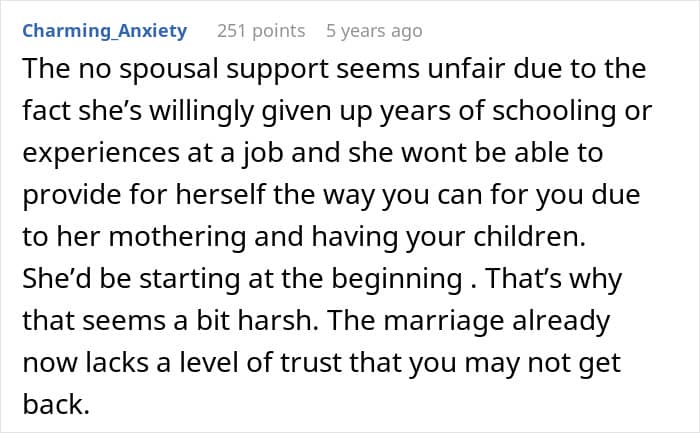
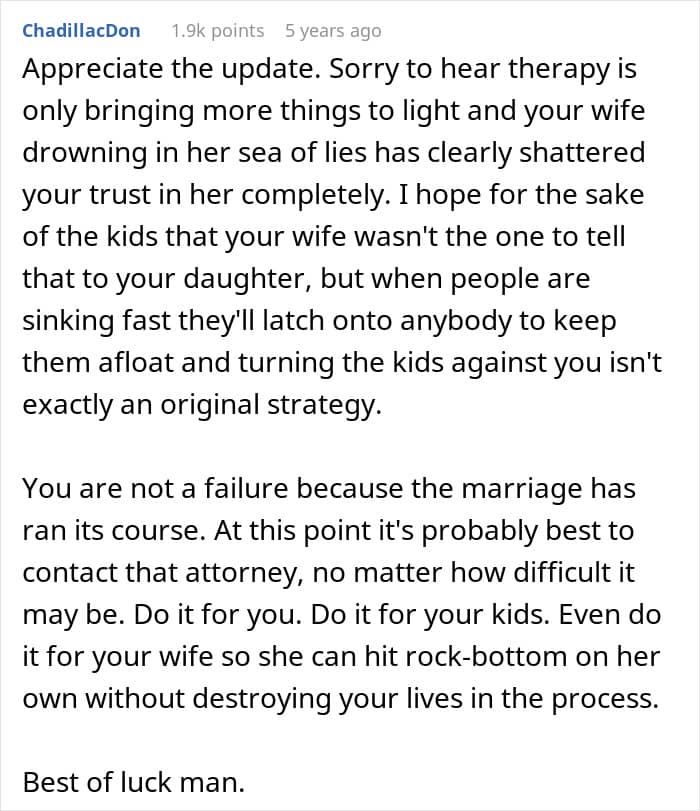
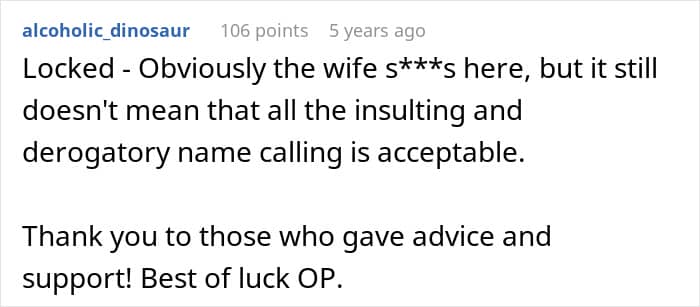
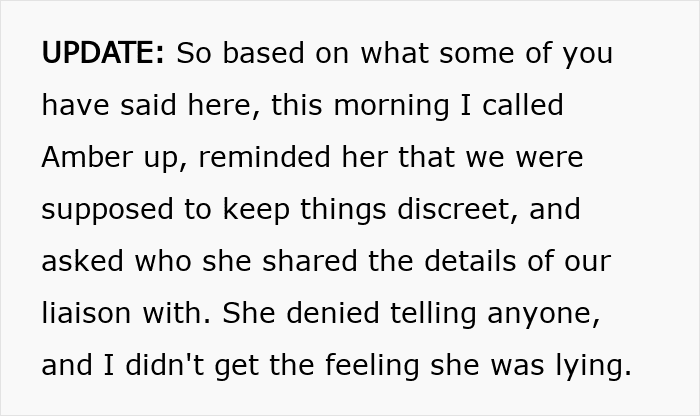
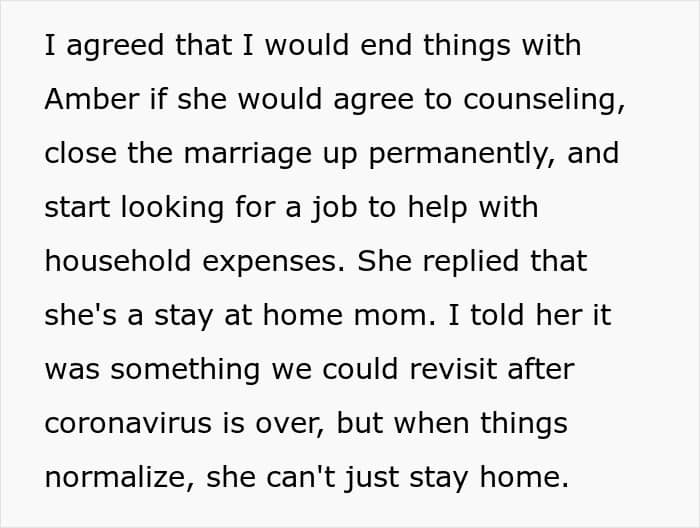
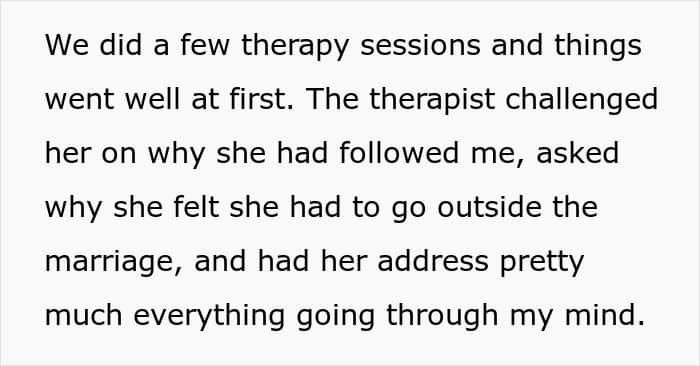
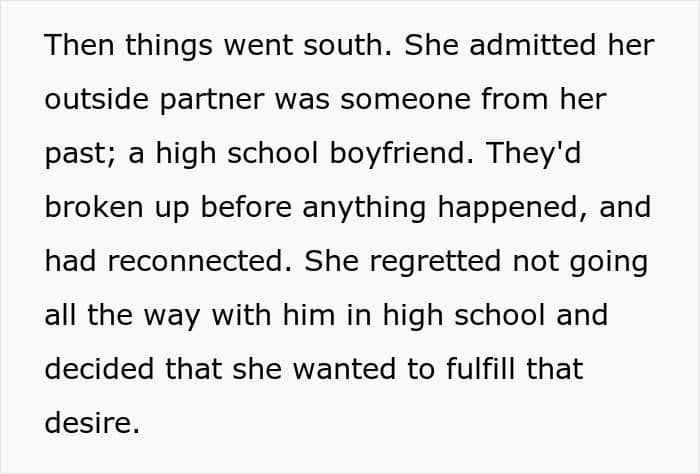
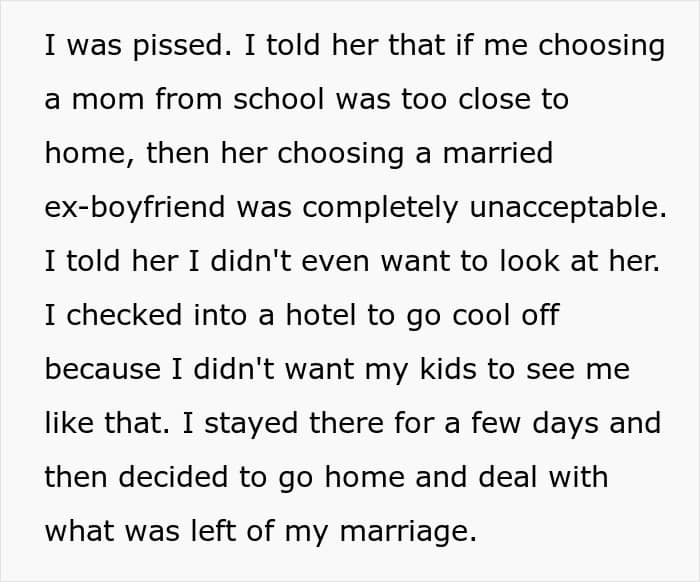
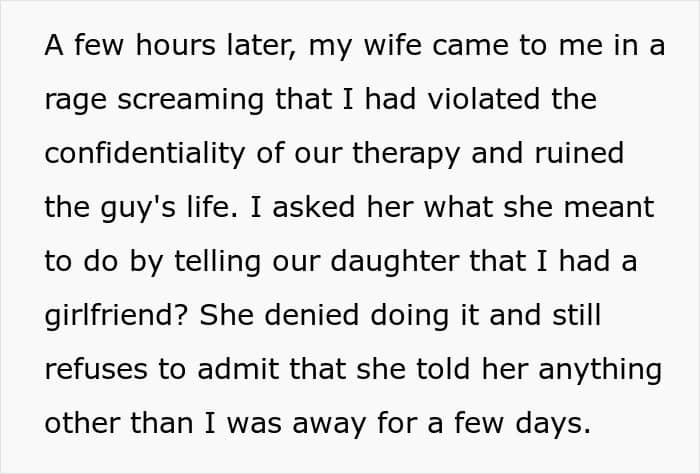
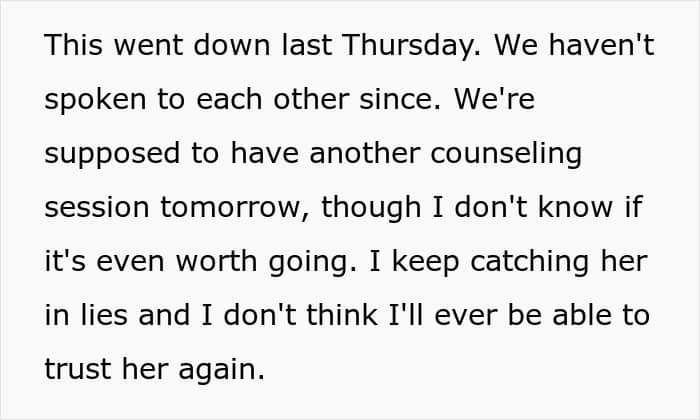
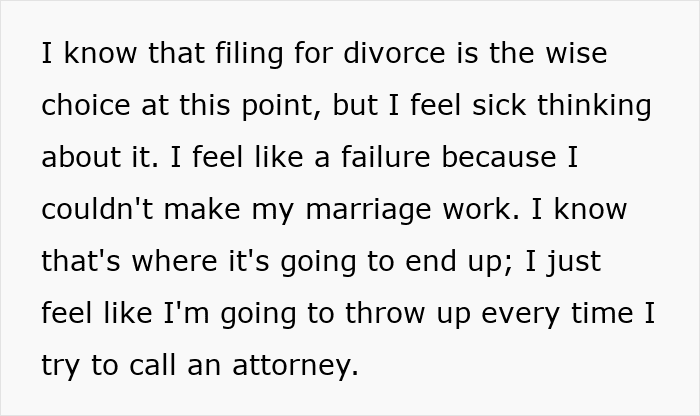
The author later came back with an update that brought new details to light

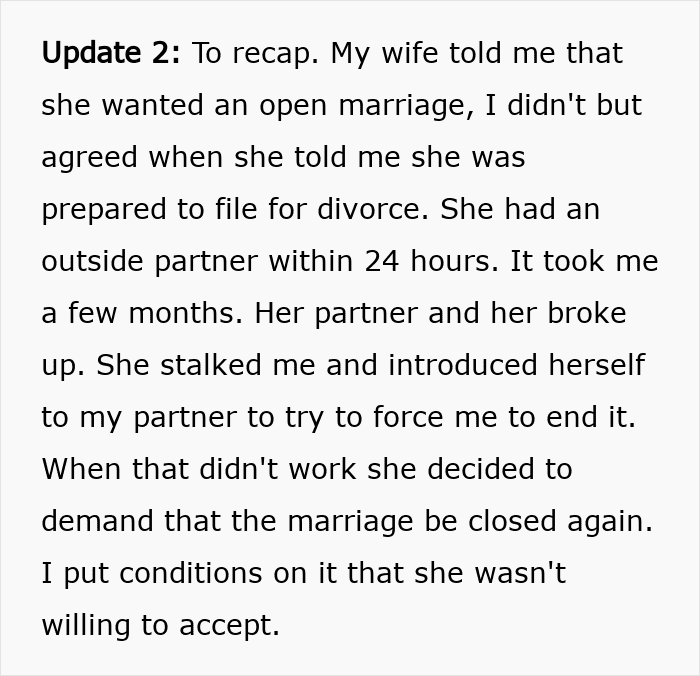
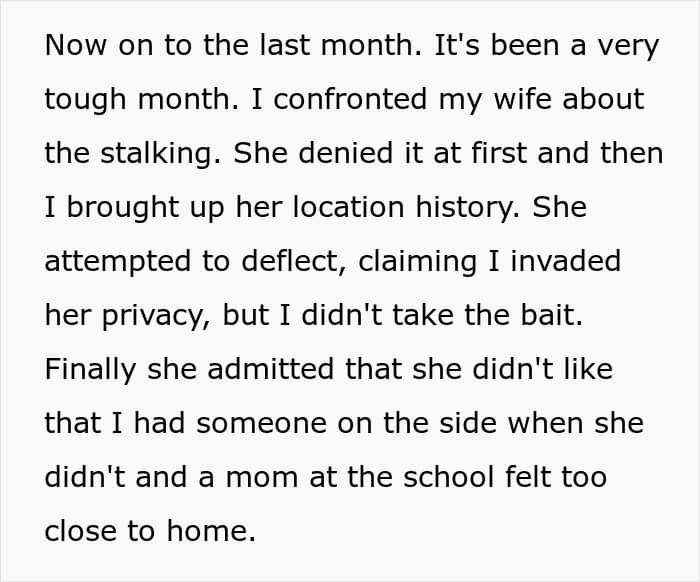
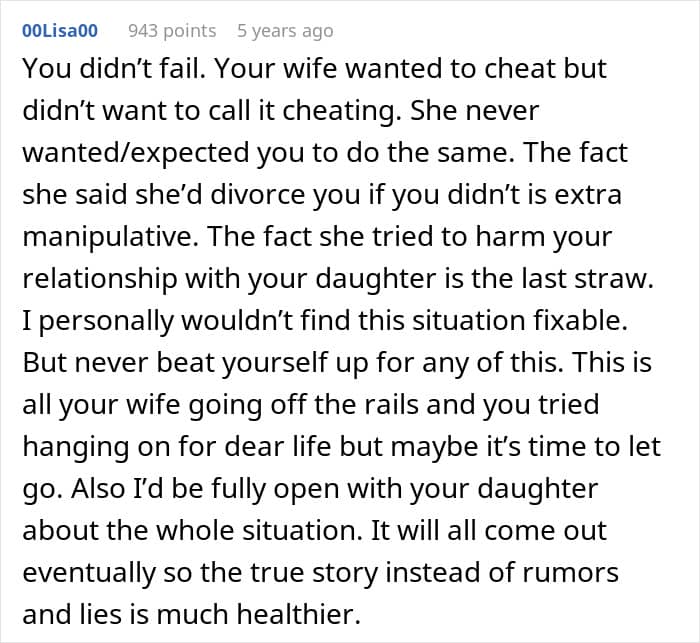
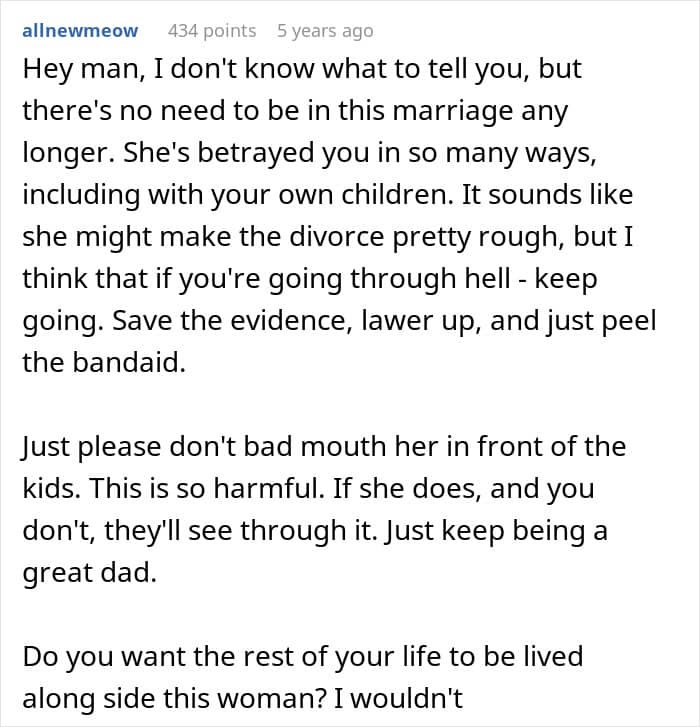
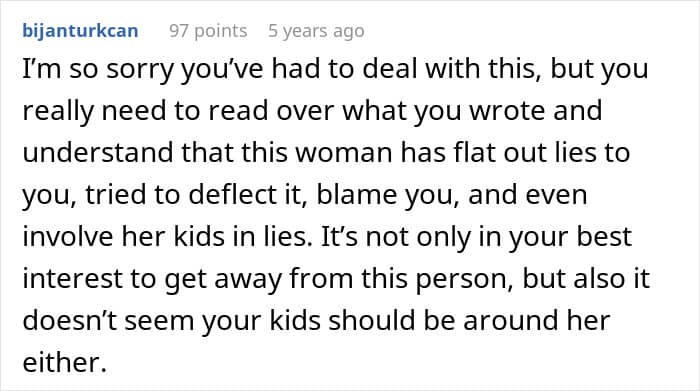
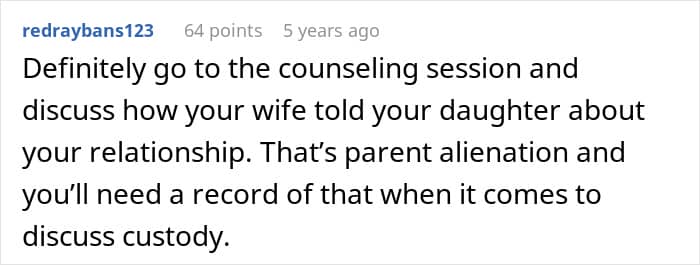
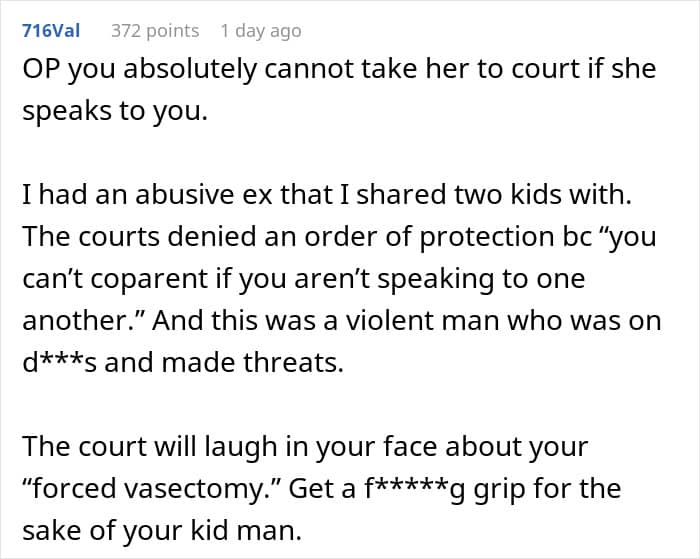
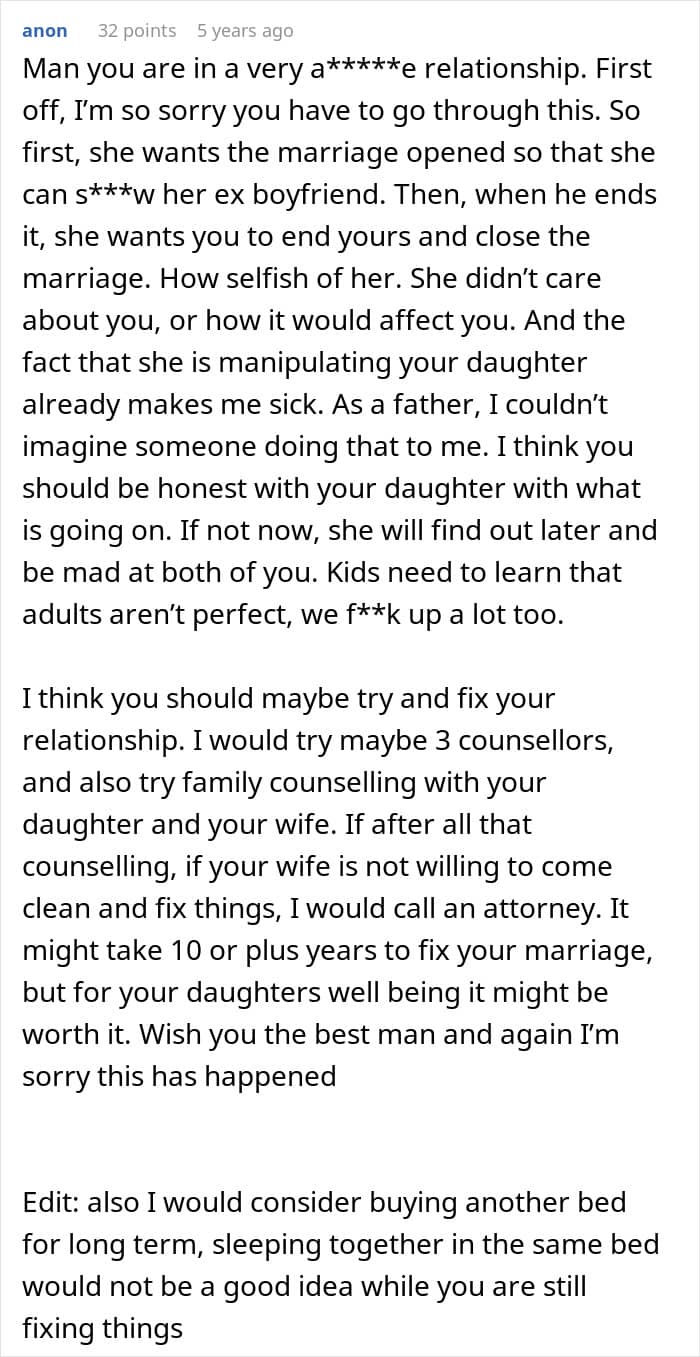
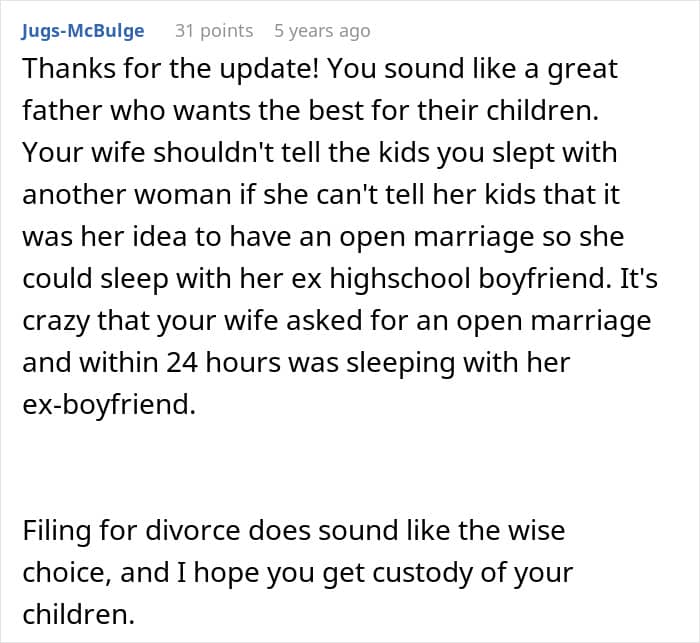
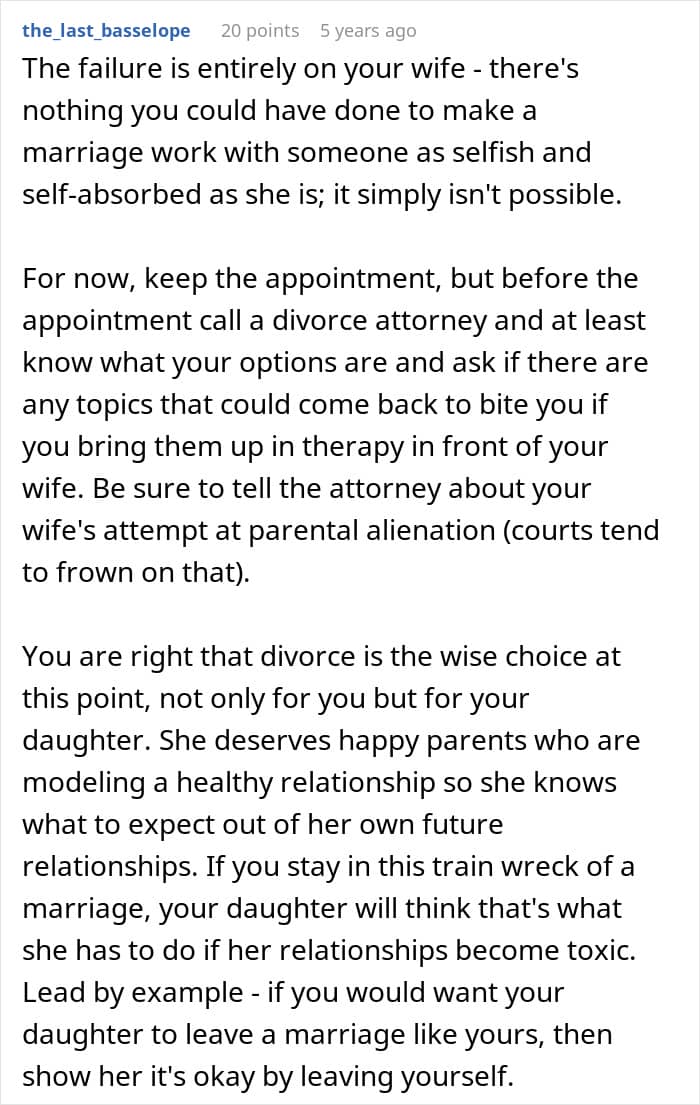
Readers responded with advice and words of support